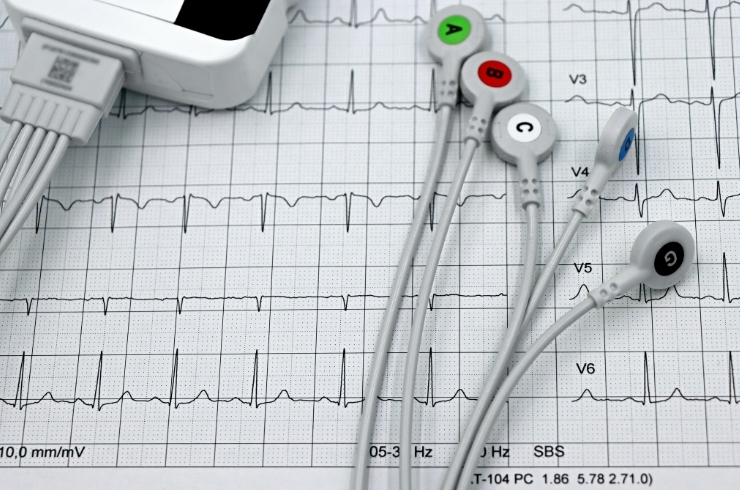
An Electrocardiogram (ECG) is a simple, non-invasive diagnostic test that records the electrical activity of the heart. It helps evaluate heart rate, rhythm, and electrical signals to identify potential cardiac abnormalities. Ghatkopar Diagnostic Centre provides ECG testing services in Mumbai, supporting healthcare professionals in assessing heart health and making informed clinical decisions through reliable diagnostic investigations.
An ECG provides valuable information about the electrical functioning of the heart and may help identify:
Irregular Heart Rhythms: Helps identify abnormal heart rhythms, including arrhythmias.
Heart Rate Variations: Measures whether the heart is beating unusually fast or slowly.
Electrical Conduction Abnormalities: Evaluates how electrical signals travel through the heart.
Signs of Previous Heart Damage: May reveal electrical patterns associated with a previous heart attack.
Possible Cardiac Concerns: Helps identify patterns that may require further cardiac evaluation.
Quick Diagnostic Procedure: Usually completed within a few minutes.
Non-Invasive Testing: Does not require needles or surgical procedures.
Painless Examination: Electrodes are placed on the skin without causing discomfort.
Heart Rhythm Assessment: Helps evaluate heart rate and rhythm abnormalities.
Routine Heart Monitoring: Supports regular assessment of cardiovascular health.
Clinical Evaluation: Provides useful information for further medical investigation when required.
1. What is an ECG test used for?
An ECG test records the electrical activity of the heart to assess heart rate, rhythm, and electrical conduction. It helps identify potential cardiac abnormalities.
2. Is an ECG test painful or uncomfortable?
No, an ECG is a painless and non-invasive procedure. Small electrodes are attached to the skin to record the heart’s electrical signals.
3. How long does an ECG test take?
A standard resting ECG usually takes around 5–10 minutes, including electrode placement and recording.
4. Do I need to fast before an ECG test?
No, fasting is generally not required before a standard ECG. You can usually eat and drink normally unless your healthcare professional provides different instructions.